La Gorce Island · waterfront · Miami Beach · luxury real estate · relocating from New York · gated communities
La Gorce Island Miami Beach: The New York Buyer's Complete Guide to Luxury Waterfront Living and Privacy
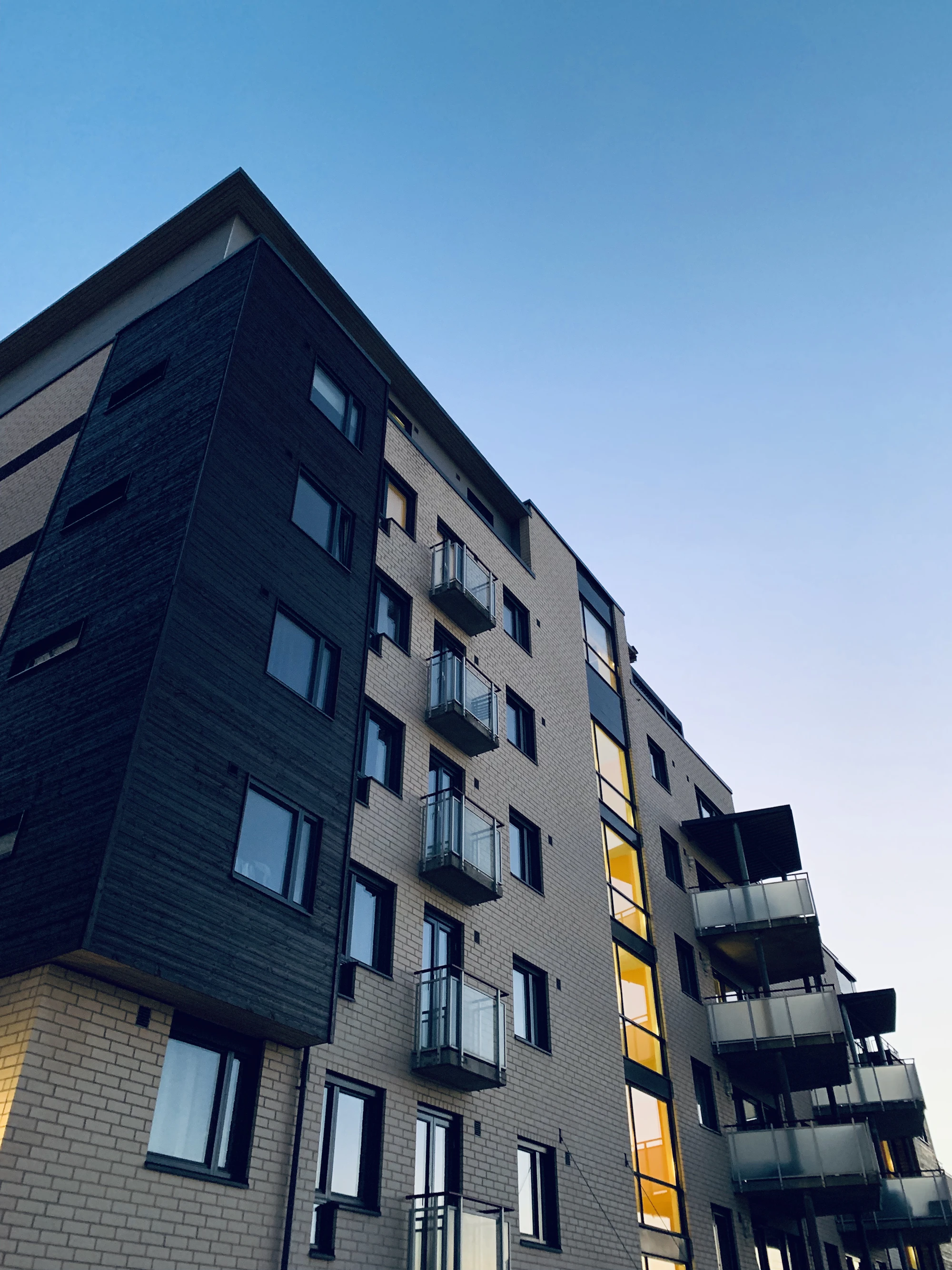
La Gorce Island, Miami Beach — South Florida waterfront.
Relocating from New York to South Florida's waterfront? This in-depth guide covers everything Manhattan and Tri-State buyers need to know about La Gorce Island, how its privacy compares to Star Island and other Miami Beach enclaves, and the waterfront-specific details that determine whether a home truly delivers on its promise.
Why New York Buyers Are Choosing Miami Beach Waterfront — And Why La Gorce Island Keeps Coming Up
The migration of high-net-worth households from New York, Greenwich, and the broader Tri-State area to South Florida has been one of the defining real estate stories of the past several years. But within that broader trend, a more specific pattern is emerging: buyers who spent decades in prewar co-ops on Fifth Avenue or townhouses in the West Village are arriving in Miami Beach with a clear set of priorities — genuine privacy, direct water access, architectural significance, and a lifestyle that isn't just an upgrade from New York but a fundamental departure from it. La Gorce Island, a guard-gated island community tucked between Biscayne Bay and the La Gorce Golf Course in the northern reaches of Miami Beach, has become a recurring answer to that search.
What draws New Yorkers specifically to La Gorce Island is a combination of factors that feel intuitive once you understand the geography. The island is small enough — roughly 300 homes — to feel genuinely private and residential, yet it sits close enough to Miami Beach's cultural infrastructure, restaurants, and the Miami International Airport corridor to remain practical for people who still travel constantly for business. For buyers accustomed to the compressed, vertical density of Manhattan, the experience of living on a quiet, tree-lined island street with a boat at the back of the property and no through-traffic represents a quality-of-life shift that is difficult to overstate. The island's interior streets are calm enough that residents cycle to their neighbors' homes, something virtually impossible in any New York neighborhood.
Understanding the Privacy Spectrum: La Gorce Island vs. Star Island and Miami Beach's Other Gated Enclaves
Privacy in South Florida waterfront real estate is not binary — it exists on a spectrum, and understanding where La Gorce Island sits on that spectrum relative to other communities is essential for any buyer coming from New York. At the far end of the privacy scale sits Star Island, arguably Miami's most controlled and exclusive residential enclave. Star Island is accessed by a single guardhouse and has fewer than 35 estates, each occupying large lots on open Biscayne Bay with sweeping bay-to-bay exposures. The combination of extreme lot scarcity, true celebrity and ultra-high-net-worth co-residency, and dramatic bay-front exposure makes Star Island feel closer to a private island compound than a neighborhood. The tradeoff is that the price of entry is among the highest in the entire United States on a per-home basis, and the inventory is vanishingly small.
La Gorce Island occupies a different but equally compelling position. It is a gated, guard-controlled island with significantly more inventory than Star Island, which means buyers have genuine choice within the community — something Star Island rarely offers. The waterfront configuration on La Gorce Island is primarily canal-front and bay-front, with homes backing onto the island's interior canal network rather than the open bay in most cases. This distinction matters enormously in terms of both the boating experience and the visual exposure of the property. Canal-front homes on La Gorce Island tend to offer more protected, intimate water settings, while the bay-front properties — particularly those on the island's western edge facing Biscayne Bay — command premium prices and deliver the open-water views that compete more directly with what Star Island offers. Between these two anchors, other Miami Beach gated communities like the Sunset Islands and Normandy Isles offer their own privacy profiles, generally with less controlled access than La Gorce Island or Star Island.
For New York buyers, the privacy comparison that resonates most is this: La Gorce Island functions somewhat like a very private residential neighborhood in the Hamptons or Greenwich — gated, quiet, with significant lot sizes by South Florida standards — while Star Island is closer to the experience of owning one of a handful of estates on a completely private island. Neither is wrong; they serve different buyer profiles. The buyer who wants options, genuine neighborhood community, and the ability to find their perfect waterfront configuration within a single gated address will often find La Gorce Island to be the more practical and ultimately more satisfying choice.
Waterfront Configurations on La Gorce Island: What New Yorkers Need to Understand Before Touring
New York buyers with limited South Florida waterfront experience often arrive with one mental model of 'waterfront' — typically open water with a long horizon view, similar to what they know from Long Island Sound or the Hudson River. The reality of La Gorce Island's waterfront is more nuanced and requires some orientation. The island is threaded by a network of canals, and the majority of waterfront homes sit on these canal-front lots rather than directly on Biscayne Bay. Canal-front living on La Gorce Island has distinct advantages that are worth understanding: the water is calmer and more protected, dock construction and boat access are generally easier to manage, and the intimacy of a canal-front setting often produces a more usable outdoor experience than an exposed bay-front lot where wind and chop can make the water more visual than functional.
Water depth is one of the most critical variables a waterfront buyer must evaluate — and one that New Yorkers rarely think to ask about because it simply wasn't relevant in their previous real estate searches. On La Gorce Island, canal depths vary, and the depth at any given dock at low tide determines what size and draft vessel can use the property. A buyer planning to dock a 60-foot sportfish with a meaningful draft needs to verify actual depth at the slip, not just assume that 'waterfront' means navigable for their intended boat. Similarly, bridge clearances on routes from the canal network to the bay and onward to the ocean matter enormously for buyers planning to keep sailboats or larger vessels with fixed superstructures. These are questions that should be verified with a marine survey or directly with the Miami Beach city engineering records before any offer is written.
Seawall condition is another consideration that deserves serious attention and gets far less than it should in typical luxury transactions. A deteriorating seawall on a La Gorce Island home can represent a significant capital expenditure — seawall replacement in Miami-Dade County is expensive, disruptive, and subject to permitting timelines that can be lengthy. Buyers should request seawall inspection reports as part of due diligence, ask when the existing seawall was last inspected or repaired, and factor potential remediation costs into their offer. For buyers coming from New York, where waterfront structures of this kind are uncommon in residential contexts, this due-diligence step can feel unfamiliar — but it is non-negotiable for any serious waterfront acquisition in South Florida.
Flood Zones, Insurance, and the Realities New York Buyers Must Accept
Flood zone designation is perhaps the single most consequential and least understood variable for New York buyers entering the South Florida waterfront market. Nearly all of Miami Beach — including La Gorce Island — falls within FEMA flood zone classifications that require flood insurance, and the cost of that insurance has become a significant line item in the true carrying cost of any waterfront home. New York buyers accustomed to thinking about property taxes and common charges as their primary recurring costs must recalibrate their financial models to include flood insurance premiums that can be substantial depending on the home's elevation, its FIRM panel designation, and whether the structure was built to current or outdated flood standards.
Elevation certificates are documents that every La Gorce Island buyer should request and have professionally reviewed. The certificate documents the lowest finished floor elevation of the structure relative to the Base Flood Elevation established by FEMA, and it is the primary determinant of flood insurance rating. Homes built or substantially renovated in compliance with current Miami Beach flood codes — which have become increasingly stringent as the city responds to sea-level rise projections — will typically carry more favorable insurance ratings than older structures that predate these requirements. New buyers should understand that purchasing an older estate on La Gorce Island, even at a seemingly attractive price, may involve significant renovation costs to bring the structure into compliance with current standards if the intent is to reconfigure or substantially improve the home.
Dock Access, Boating Lifestyle, and the Practical Waterfront Questions New Yorkers Forget to Ask
One of the primary motivations for New York buyers choosing waterfront living in South Florida — as opposed to an equally luxurious home in Coral Gables or Coconut Grove without water access — is the boating lifestyle. But 'boating lifestyle' means different things to different buyers, and La Gorce Island's canal network accommodates some versions of it far better than others. Buyers who envision a center console or a mid-size cruiser used for weekend trips to the sandbar, sunset cruises, or runs to waterfront restaurants will find the La Gorce Island canal system perfectly suited to that lifestyle. The canals connect to Biscayne Bay with relative ease, and from the bay, access to the Government Cut shipping channel and onward to the Atlantic Ocean is straightforward.
Buyers with larger sportfishing vessels, deep-draft motoryachts, or sailboats should approach La Gorce Island's waterfront inventory with more careful scrutiny. Not every canal-front lot on the island can accommodate a 70- or 80-foot vessel with adequate depth, turning radius, and overhead clearance on the route to open water. For those buyers, it may be worth expanding the search to consider the bay-front properties on the western edge of the island, or comparing La Gorce Island's specific inventory against other communities in the Coral Gables to Fort Lauderdale corridor where deep-water access is more uniformly available. The Intracoastal Waterway-fronting communities of Fort Lauderdale's Idlewyld or Las Olas Isles, for example, offer different boating access profiles that may serve buyers with larger vessels more effectively.
View orientation is a subtler but meaningful consideration that affects both the daily experience of living on a waterfront home and its long-term resale profile. On La Gorce Island, east-facing waterfront properties capture morning light on the water — a beautiful, energizing exposure. West-facing properties deliver the sunset views over Biscayne Bay that are among the most dramatic in South Florida, comparable in ambiance to what the bay-front properties on Star Island deliver. Buyers should tour properties at different times of day if possible, understanding that a home that looks good at a midday showing may look transcendent — or underwhelming — at golden hour.
Making the Transition: What New York Buyers Should Know About La Gorce Island's Market and Buying Process
The La Gorce Island market operates differently from what New York buyers know from co-op and condo transactions, and even from what they may know from second-home markets like the Hamptons. There are no co-op boards to satisfy, no condo association financial review processes, and no lengthy approval periods driven by building management. The transaction is a single-family home purchase governed by Florida law, which is in many ways more straightforward than a New York City purchase. However, the due-diligence window — typically a negotiated inspection period — is where the real work happens, and for waterfront homes, that work includes the seawall, dock, and flood-related investigations described earlier in this guide.
Inventory on La Gorce Island is limited by the island's physical size, and the highest-quality waterfront homes — particularly those with meaningful lot sizes, updated seawalls, and superior water access — trade infrequently. New York buyers who enter this market with the expectation that they can take six months to decide and then negotiate aggressively on a premium property often find that the market does not reward that approach. Well-positioned waterfront homes on La Gorce Island attract interest from a relatively small but highly motivated buyer pool, and price discovery tends to be efficient. Buyers who have done their homework, understand the waterfront variables, and are prepared to move decisively when the right property appears are the ones who ultimately secure the most desirable homes.
Working with a broker who has genuine expertise in South Florida waterfront specifics — not just general luxury residential experience — is not optional for this type of purchase; it is essential. The questions that matter most in a La Gorce Island transaction (seawall condition, dock permits, water depth, flood zone implications, hurricane impact window standards, and generator requirements) are not questions that a generalist agent is equipped to navigate with precision. Buyers coming from New York should interview prospective brokers specifically on these waterfront topics before engaging, and should look for advisors who can speak with authority about the canal system, the bay-front exposures, and the comparison to other gated enclaves across Miami Beach and beyond.
Frequently Asked Questions
Is La Gorce Island truly private, or can the general public access the streets?
La Gorce Island is a guard-gated community with controlled vehicle access at its single entry point, meaning non-residents cannot drive through the island without authorization from a resident. This level of access control is comparable to other Miami Beach gated islands and is significantly more restrictive than non-gated luxury neighborhoods. While the island is not an entirely private island in the way that Star Island functions — where the scale is smaller and the co-residency even more exclusive — La Gorce Island offers genuine, consistent privacy for residents.
How does La Gorce Island's privacy compare to Star Island?
Star Island has fewer than 35 estates on a single gated island with bay exposure on all sides, making it one of the most private residential addresses in the United States; La Gorce Island has approximately 300 homes and a canal network, offering more inventory and a neighborhood feel within a gated setting. Star Island commands a premium for its extreme scarcity and open-bay orientation. La Gorce Island provides genuine privacy with more options for buyers who want to find the right waterfront configuration rather than compete for one of a handful of available Star Island properties.
What water depth should I expect at a canal-front dock on La Gorce Island, and does it matter for my boat?
Canal depths on La Gorce Island vary by location and are subject to natural silting over time, so actual depth at a specific dock must be verified — do not rely on general neighborhood descriptions. Buyers planning to keep vessels with drafts over four to five feet should commission a marine survey of the specific slip before making an offer, and should also verify the overhead clearance on the canal route to Biscayne Bay. A vessel that fits at the dock but cannot clear a bridge on the exit route is effectively landlocked.
What flood zone is La Gorce Island in, and how does that affect insurance costs?
La Gorce Island falls within FEMA Special Flood Hazard Area designations that require flood insurance for federally backed mortgages, and even cash buyers should carry coverage given the island's low elevation and coastal exposure. Insurance premiums depend heavily on the individual property's elevation certificate, the lowest finished floor elevation relative to the Base Flood Elevation, and whether the structure was built to current Miami Beach flood codes. Buyers should request the elevation certificate for any property they are seriously considering and have it reviewed by an insurance specialist before making an offer.
How important is seawall condition when buying on La Gorce Island?
Denis Smykalov, a South Florida waterfront specialist at Wolsen Waterfront, advises that seawall condition is one of the most commonly underestimated cost variables in a waterfront acquisition — a failing seawall can require complete replacement at costs that can reach hundreds of thousands of dollars depending on linear footage, material, and permitting complexity, and that expense is rarely reflected in the listing price. Buyers should insist on a dedicated seawall inspection by a licensed marine contractor as part of their due-diligence period, ask for documentation of any prior repairs or permits, and factor potential remediation into their financial modeling before submitting an offer.
Can I dock a large sportfish or motoryacht at a La Gorce Island property?
Some La Gorce Island properties can accommodate larger vessels, but not all — it depends on the specific canal width at that location, the dock configuration, the water depth at low tide, and the bridge clearances on the route from the property to Biscayne Bay. Buyers planning to keep vessels over 50 feet should specifically filter their search to properties with verified deep-water access and confirm navigability for their specific vessel class before proceeding. Bay-front properties on the western edge of the island generally offer better access for larger boats than interior canal-front lots.
How does buying a single-family home on La Gorce Island differ from buying a co-op or condo in New York?
There is no co-op board approval, no condo financial review, and no building management gatekeeping in a La Gorce Island transaction — the process is a direct single-family home purchase governed by Florida law, which is generally more buyer-controlled than a New York City co-op purchase. The critical difference is that the due-diligence burden shifts entirely to the buyer; there is no board or management company that has reviewed the building's finances or physical condition on your behalf. Buyers must conduct their own thorough physical inspections, including waterfront-specific investigations, within the negotiated inspection period.
What view orientation should I prioritize on La Gorce Island for sunset views?
West-facing waterfront properties on La Gorce Island — particularly those on the bay-facing western edge — deliver sunset views over Biscayne Bay that are among the most dramatic available in Miami Beach. East-facing canal-front properties capture morning light on the water, which is a beautiful but different experience. Buyers for whom sunset views are a priority should specifically seek bay-front or west-facing canal-front lots and, when possible, visit prospective properties in the late afternoon to evaluate the actual light and view quality.
Is La Gorce Island a good choice for a primary residence or is it better suited as a second home?
La Gorce Island functions well as both a primary residence and a high-use second home, and it has attracted a meaningful share of relocated New York families who have made it their permanent address. The proximity to strong private schools, Miami Beach cultural amenities, and Miami International Airport makes it practical for full-time residents with active professional and family lives. Buyers seeking a seasonal-only second home with minimal maintenance complexity should still factor in property management, hurricane preparation systems, and flood insurance as recurring considerations regardless of how often they occupy the home.
How does La Gorce Island's inventory compare to Star Island for buyers who want choices?
La Gorce Island has dramatically more inventory than Star Island, which typically has only one or two homes available at any given time — sometimes none. This means La Gorce Island buyers have a realistic opportunity to tour multiple homes, compare waterfront configurations, and find a property that genuinely matches their priorities, while a Star Island buyer may need to wait years for the right property to become available. For buyers who need to transact within a defined timeframe, La Gorce Island is the more reliable market of the two.
Ready to Take the Next Step?